
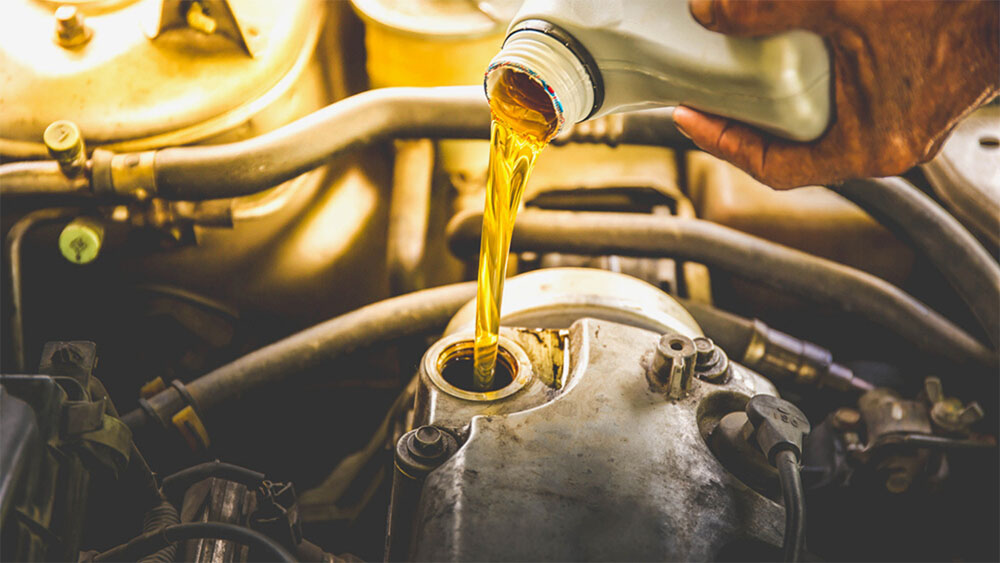
Signs Your Car Needs an Oil Change
Knowing how often you should change your oil is one of the most important parts of keeping your car running smoothly. Engine oil lubricates moving parts, helps manage heat, and carries away dirt and other contaminants. Over time, oil breaks down and becomes less effective, making regular maintenance essential.
Most vehicles have a recommended oil-change schedule based on mileage, elapsed time, or an oil-life monitoring system. The correct interval depends on your vehicle’s make, model, engine, oil specification, and driving conditions.
For drivers in Mississauga, frequent stop-and-go traffic, short trips, and cold Canadian winters may also affect maintenance needs. Understanding the recommended schedule and recognising warning signs can help you avoid unnecessary wear and unexpected repairs.
How Often Should You Change Your Oil?
The best way to determine your oil-change interval is to check your vehicle owner’s manual. Some vehicles can go considerably longer between oil changes than older models, particularly when they use the specified synthetic oil and have a modern oil-life monitoring system.
The old rule of changing oil every 5,000 kilometres does not apply universally. Some vehicles require more frequent service under severe driving conditions, while others allow longer intervals under normal use.
Consider these factors when planning your next oil change:
- Mileage: Follow the distance interval specified by your manufacturer.
- Time: Some vehicles require an oil change after a set period even if you have not driven many kilometres.
- Oil type: Conventional and synthetic oils have different characteristics, but the correct interval still depends on the vehicle manufacturer’s instructions.
- Driving habits: Frequent short trips, prolonged idling, and stop-and-go traffic can place additional demands on engine oil.
- Oil-life monitor: If your vehicle has this system, follow its instructions and the maintenance schedule in your owner’s manual.
For example, someone who drives a short distance to work every day may experience different oil conditions from someone who regularly takes longer highway trips. Both drivers should follow their vehicle’s prescribed maintenance schedule rather than guessing based on mileage alone.
7 Signs Your Car Needs an Oil Change
Your car may provide several clues when maintenance is due. However, not every warning sign means the oil itself needs replacing. Some symptoms can indicate a leak, low oil level, or a more serious engine problem.
1. Your Oil-Change Reminder Appears
Many modern vehicles have an oil-life monitoring system that estimates when an oil change is needed. Depending on the vehicle, the system may consider factors such as engine operation and driving conditions.
When the maintenance reminder appears, check your owner’s manual and arrange service according to the manufacturer’s instructions.
Remember that an oil-life reminder is different from an oil-pressure warning. An oil-pressure warning can indicate an urgent problem that requires immediate attention.
2. Your Engine Oil Level Is Low
Low engine oil is a reason to investigate, even if your next scheduled oil change is not due. Oil levels can fall because of leaks, oil consumption, or other mechanical problems.
To check the level safely, park on level ground and follow the procedure in your owner’s manual. Some vehicles require the engine to be switched off for a specified period, while others have electronic oil-level checks.
If the level is below the recommended minimum, follow the manufacturer’s instructions for adding the correct oil. Do not overfill the engine. If the level repeatedly drops, have the vehicle inspected to identify the cause.
3. You Notice a Burning-Oil Smell
A burning-oil smell inside or around your vehicle may indicate that oil is leaking onto a hot engine component or exhaust surface. It can also have other causes that require inspection.
An oil change alone will not fix a leak. If you notice a persistent burning smell, visible smoke, or oil dripping beneath the vehicle, arrange a professional inspection.
If smoke is heavy or the vehicle shows other serious warning signs, stop driving when it is safe to do so.
4. Your Engine Makes Unusual Noises
Engine oil helps reduce friction between moving components. When oil is too low, unsuitable, or no longer providing adequate protection, unusual engine noises may occur.
Listen for new tapping, knocking, or persistent rattling. These sounds do not automatically mean that an oil change is overdue; they can also indicate mechanical wear or another fault.
If the engine develops a sudden loud knocking sound or the oil-pressure warning appears, stop safely and switch off the engine. Continuing to drive may cause serious damage.
5. Your Oil Looks Unusual
Checking engine oil can help you identify potential problems, but colour alone does not tell you whether an oil change is required.
Oil often becomes darker during normal engine operation as it carries contaminants. Dark oil is not necessarily bad oil, and clean-looking oil is not proof that it remains suitable for continued use.
Look for more concerning signs, such as a milky appearance, visible contamination, or an unusual texture. These can indicate a problem that needs professional diagnosis, especially when accompanied by coolant loss, overheating, or other symptoms.
6. You See Oil Spots Under Your Car
Fresh oil spots on your driveway or parking space may indicate a leak from the engine or another vehicle system. Leaks can develop around seals, gaskets, filters, drain plugs, or other components.
Do not assume that replacing the engine oil will solve the problem. A mechanic may need to locate the leak, repair the faulty component, and confirm that the oil level is correct.
If the oil level is dropping quickly or the oil-pressure warning appears, avoid driving until the issue has been assessed.
7. Your Maintenance History Is Unclear
Sometimes the biggest warning sign is simply not knowing when the last oil change took place. This can happen after buying a used car, missing a service appointment, or losing maintenance records.
Check any available receipts, service records, dashboard reminders, and manufacturer maintenance information. If the history cannot be confirmed, a qualified technician can help determine the appropriate next steps.
Keeping a record of service dates and odometer readings makes future maintenance easier to manage.
What Affects Your Oil-Change Schedule?
Driving Conditions in Mississauga
Driving conditions can affect how hard your engine works. Repeated short journeys may prevent the engine from reaching its normal operating temperature for long enough to evaporate accumulated moisture. Stop-and-go traffic and extended idling can also contribute to demanding operating conditions.
During Mississauga winters, cold starts and frequent short trips may be particularly relevant. However, cold weather does not automatically mean every vehicle needs more frequent oil changes. The manufacturer’s maintenance schedule should guide your decision.
Check whether your owner’s manual includes a separate schedule for severe driving conditions. If you regularly drive in conditions listed there, follow the corresponding recommendations.
Conventional Oil vs. Synthetic Oil
Both conventional and synthetic engine oils lubricate the engine, but they differ in their formulation and performance characteristics.
| Oil type | General characteristics | What to consider |
| Conventional oil | Traditional base-oil formulation | Use only if it meets your vehicle’s requirements |
| Synthetic oil | Formulated for specific performance characteristics, often including improved performance across temperature ranges | Follow the specified oil standard and manufacturer-approved interval |
| Synthetic blend | Combines conventional and synthetic base oils | The correct grade and vehicle specification still matter |
Synthetic oil does not automatically mean you can extend every oil-change interval. Always use the viscosity and performance specification recommended for your particular engine.
How to Check Your Engine Oil
Checking your oil level between services can help you notice a problem before it becomes more serious.
Follow these general steps, adjusting them to match your vehicle’s manual:
- Park on level ground in a safe location.
- Switch off the engine and wait for the period specified by the manufacturer.
- If your vehicle uses a dipstick, remove it and wipe it clean.
- Reinsert the dipstick fully, then remove it again to read the level.
- Confirm that the oil sits within the marked operating range.
- If the level is low, use only the recommended oil and add it carefully according to the manual.
Some vehicles use electronic oil-level monitoring instead of a conventional dipstick. Follow the instructions provided for your model.
Check for leaks or repeated drops in oil level. Regularly adding oil does not replace the need to investigate unexplained oil consumption.
What Happens If You Delay an Oil Change?
Engine oil gradually accumulates contaminants and can lose some of its protective properties over time. Neglecting the recommended maintenance schedule can increase friction, encourage deposits, and contribute to engine wear.
In severe cases, inadequate lubrication can lead to major engine damage. Delaying service can also make it harder to identify developing problems, particularly when oil levels are low or leaks go unnoticed.
If your oil change is overdue, arrange service rather than waiting for obvious symptoms. A vehicle can need maintenance even when it sounds and drives normally.
What Happens During an Oil Change?
A routine engine oil and filter change generally involves:
- Draining the used engine oil.
- Replacing the oil filter when required by the service procedure.
- Adding the correct grade and specification of engine oil.
- Checking the oil level and inspecting for leaks.
- Resetting the maintenance reminder where applicable.
- Recording the service date and odometer reading.
The exact procedure depends on the vehicle. If a warning light, leak, unusual noise, or low oil level has been reported, additional inspection may be necessary.
When to Get an Oil Change in Mississauga
If your vehicle is approaching its recommended service interval, the oil-life monitor indicates maintenance is due, or you cannot confirm its service history, arranging an oil change is a sensible next step.
Spot Free Auto Spa & Auto Repair provides oil changes and other automotive maintenance and repair services in Mississauga. A professional service visit can help ensure the correct oil is used and identify visible concerns that may need further attention.
If you are looking for an oil change service in Mississauga, check your maintenance schedule and discuss any unusual symptoms with the technician. If you want to learn more about general vehicle upkeep, read our guide auto repair in Mississauga for additional maintenance and repair guidance.
Safety reminder: If the oil-pressure warning light comes on while driving, safely pull over and switch off the engine. Follow the manufacturer’s instructions and seek assistance. Do not treat this warning as a routine oil-change reminder.
Final Thoughts
Knowing how often you should change your oil helps protect your engine and makes routine maintenance easier to plan. The correct interval depends on your vehicle, oil specification, driving habits, and manufacturer recommendations not one universal kilometre figure.
Watch for service reminders, low oil levels, leaks, burning smells, and unusual engine noises. Remember that these symptoms may indicate problems beyond overdue oil, so take serious warnings seriously.
For drivers in Mississauga, following the recommended schedule and arranging professional maintenance when needed can help keep a vehicle dependable through everyday commuting and changing weather conditions.
FAQs
1. How often should you change your oil?
Follow the mileage or time interval specified in your owner’s manual. The correct schedule varies by vehicle, engine, oil specification, and driving conditions.
2. How many kilometres can you drive between oil changes?
There is no single interval suitable for every car. Check your manufacturer’s recommended mileage and time limits, and follow any severe-use schedule that applies to your driving habits.
3. How often should you change synthetic oil?
Synthetic oil can support longer intervals in some vehicles, but the interval depends on the engine, approved oil specification, and manufacturer guidance. Do not extend the interval solely because the oil is synthetic.
4. Is black engine oil always bad?
No. Engine oil can darken during normal use. Colour alone cannot determine whether it needs replacing. Follow the maintenance schedule and seek inspection if the oil looks contaminated or other symptoms appear.
5. Does cold weather affect engine oil?
Cold weather can affect oil flow during starting, while repeated short trips may place additional demands on the engine. Use the manufacturer-recommended oil and follow the maintenance schedule for your vehicle.
6. Can you drive with the oil-pressure warning light on?
Do not continue driving with an oil-pressure warning illuminated while the engine is running. Pull over safely, switch off the engine, and follow the manufacturer’s instructions to avoid potentially serious engine damage.
7. What happens if you go too long without changing your oil?
Old or degraded oil can provide less effective protection, allowing deposits and engine wear to develop. Severe neglect can contribute to major engine damage, so follow the recommended maintenance schedule.
8. Should you change your oil based on mileage or time?
Follow both limits when the manufacturer specifies them, changing the oil when the first applicable limit is reached. Low-mileage vehicles may still need periodic oil changes because time and operating conditions matter.
9. Where can I get an oil change in Mississauga?
Spot Free Auto Spa & Auto Repair provides oil-change and automotive maintenance services in Mississauga. Contact the business to confirm service availability and discuss your vehicle’s oil requirements.