Your car needs regular maintenance to remain safe, reliable, and comfortable to drive. From oil changes and brake inspections to engine diagnostics and unexpected mechanical problems, proper automotive care can help prevent minor issues from becoming expensive repairs.
For drivers looking for auto repair in Mississauga, understanding available services, common warning signs, and maintenance requirements makes it easier to make informed decisions. Whether your vehicle needs a routine service, a diagnostic check, or a complete interior detail, choosing the right automotive service provider can save time and help protect your investment.
Spot Free Auto Spa & Auto Repair provides automotive care services in Mississauga, bringing mechanical maintenance and vehicle appearance services together. Understanding what your car needs and when to arrange professional attention is the first step toward keeping it in good condition.
What Is Included in Auto Repair and Car Maintenance?
Auto repair involves identifying and fixing problems that affect a vehicle’s operation, reliability, or safety. Car maintenance focuses on routine inspections and servicing that help keep its systems working as intended.
Although these services overlap, they serve different purposes. Maintenance helps reduce the likelihood of certain problems, while repairs address faults that have already developed.
Common automotive services include:
- Oil changes and routine maintenance: Replacing engine oil and filters according to the vehicle manufacturer’s recommendations.
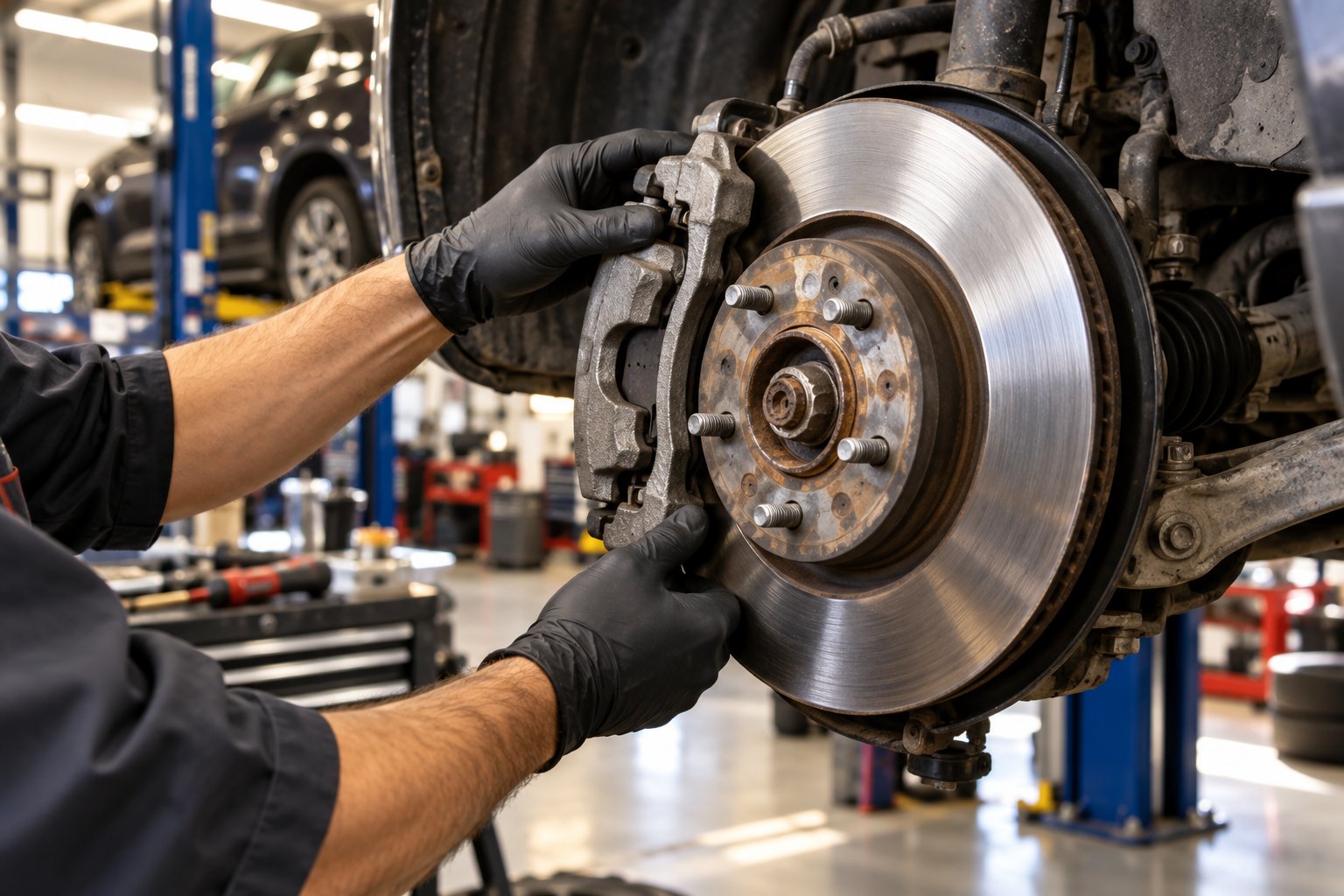
- Brake repair: Inspecting and servicing brake pads, rotors, calipers, and related components when needed.
- Engine diagnostics: Investigating warning lights, unusual engine behaviour, and possible electronic or mechanical faults.
- Suspension and steering repair: Addressing worn components, unusual noises, handling problems, and steering concerns.
- Battery and electrical services: Checking battery condition, charging performance, and electrical faults.
- Tire services: Inspecting tire condition, pressure, tread wear, and other tire-related concerns.
- Air-conditioning repair: Diagnosing weak cooling, unusual noises, or other climate-control problems.
- Car detailing: Cleaning and improving the condition of the vehicle’s interior and exterior.
- Paint protection: Applying suitable protective treatments, such as ceramic coatings, to a properly prepared surface.
The right service depends on your vehicle’s condition, maintenance history, mileage, and the symptoms you notice.
Why Regular Car Maintenance Matters
Routine maintenance is not just about keeping your vehicle looking good. It also helps identify wear, fluid problems, and developing faults before they lead to more serious complications.
1. Helps Prevent Unexpected Breakdowns
Small problems can become larger when ignored. A weak battery may eventually leave you unable to start your car, while neglected cooling-system issues can contribute to overheating.
Regular inspections help identify potential trouble early. They cannot prevent every breakdown, but they can reduce avoidable risks.
2. Supports Vehicle Safety
Brakes, tires, steering, suspension, lights, and other essential systems need to remain in suitable working condition. A vehicle that pulls to one side, vibrates during braking, or makes unfamiliar mechanical noises should be checked rather than relying on guesswork.
Brake grinding, significantly reduced stopping ability, or a serious steering problem requires prompt attention. If the vehicle is unsafe to drive, arrange professional assistance rather than continuing the journey.
3. Can Help Control Long-Term Costs
Routine servicing involves an expense, but ignoring maintenance can lead to additional damage. For example, operating an engine with an inadequate oil supply can cause serious mechanical problems.
Following the manufacturer’s maintenance schedule helps you plan servicing and understand which components need attention.
4. Helps Preserve Vehicle Condition
Mechanical maintenance protects the vehicle’s operating systems, while detailing helps care for surfaces, upholstery, and paintwork. Combining both approaches can help maintain your car’s overall condition.
For more practical advice, read our guide car maintenance checklist and follow the service intervals recommended for your specific vehicle.
Common Signs Your Car Needs Professional Attention
Some vehicle problems develop gradually, while others appear suddenly. Recognizing warning signs early can help you decide when to arrange an inspection.
| Warning sign | Possible causes | Recommended action |
|---|---|---|
| Check engine light | Sensor faults, misfires, emissions issues, or other engine-related problems | Arrange diagnostic testing |
| Squealing or grinding brakes | Worn brake pads or other brake-system problems | Have the brakes inspected promptly |
| Vibration while braking | Possible rotor or brake-component issues | Arrange a brake inspection |
| Difficulty starting | Weak battery, charging-system fault, or starting-system problem | Check the battery and starting system |
| Engine overheating | Cooling-system fault, coolant loss, or another mechanical problem | Stop safely and seek professional advice |
| Vehicle pulling to one side | Tire, alignment, brake, or suspension concerns | Arrange an inspection |
| Weak air conditioning | Refrigerant, compressor, airflow, or other system issues | Have the climate-control system checked |
| Unusual suspension noises | Worn or damaged suspension components | Arrange a mechanical inspection |
These symptoms do not always point to one specific fault. For example, a check engine light can have many causes, and replacing a component without proper testing may not solve the underlying problem.
A professional diagnosis helps identify the likely cause and determine what repair is actually necessary.
Essential Auto Repair Services in Mississauga
Different vehicle systems require different inspection and repair methods. Understanding the basics can help you communicate your concerns clearly and evaluate a repair recommendation.
Engine Diagnostics and Check Engine Light
Modern vehicles use electronic systems to monitor engine performance and other operating conditions. When the system detects a problem, it may illuminate the check engine light or store diagnostic trouble codes.
A diagnostic process may include:
- Discussing the symptoms and when they occur.
- Scanning the vehicle for stored diagnostic codes.
- Reviewing relevant data and inspecting associated components.
- Performing additional tests to confirm the suspected fault.
- Explaining the findings and recommending appropriate repairs.
A diagnostic code is a useful starting point, not automatic proof that a particular part has failed. Proper testing helps avoid unnecessary replacements.
If the check engine light flashes, especially when the engine is running roughly, reduce driving and seek prompt professional advice. A flashing light can indicate a serious problem that may damage the catalytic converter.
Brake Repair and Inspection
Your braking system is essential for safe driving. Brake pads, rotors, calipers, hydraulic components, and brake fluid all contribute to proper braking performance.
Common warning signs include squealing, grinding, vibration, a soft brake pedal, or a change in stopping performance.
Brake pads create friction against the rotors to slow the vehicle. Rotors provide the surfaces against which the pads work. Both parts wear over time, but they do not necessarily need replacement together in every situation.
A mechanic should assess pad thickness, rotor condition, related components, and manufacturer specifications before recommending repairs. Grinding noises or a noticeable reduction in braking ability should never be ignored.
Oil Changes and Preventive Maintenance
Engine oil lubricates moving components and helps manage heat and contamination. Over time, oil degrades and accumulates contaminants, making replacement an important part of routine maintenance.
The correct oil type and service interval depend on the engine, manufacturer requirements, operating conditions, and driving habits.
Routine maintenance may also include:
- Replacing the oil filter.
- Checking fluid levels and condition.
- Inspecting tires and visible wear.
- Testing battery condition.
- Inspecting brakes and suspension.
- Reviewing maintenance reminders and service history.
Short trips, frequent stop-and-go driving, heavy loads, and extreme operating conditions can affect maintenance requirements. Consult your owner’s manual rather than relying on one universal mileage interval.
Suspension and Steering Repair
Suspension and steering components help the vehicle maintain control, stability, and a comfortable ride. Worn shocks, struts, bushings, ball joints, or steering components can affect handling and tire wear.
You may notice knocking sounds over bumps, excessive bouncing, uneven tire wear, or steering that feels loose.
These symptoms can have several causes. A proper inspection should identify the affected components before repairs are recommended.
Battery, Tires, and Air Conditioning
A vehicle battery supplies the electrical energy needed to start the engine and support electrical systems. If your car struggles to start, a battery test can help determine whether the battery, charging system, or starter needs further attention.
Tire inspections help identify low pressure, uneven wear, damage, and inadequate tread. Correct tire pressure and suitable tires contribute to safe handling and braking.
If the air conditioner no longer cools effectively, the cause could involve refrigerant leakage, a compressor issue, airflow restrictions, or an electrical fault. Simply adding refrigerant without identifying a leak or other problem may not provide a lasting solution.
How Much Does Auto Repair Cost in Mississauga?
The cost of auto repair depends on the vehicle, the fault, the parts required, and the time needed to diagnose and complete the work. A routine oil change is generally a different type of expense from replacing major engine or transmission components.
Several factors influence the final bill:
- Vehicle make and model: Parts availability, vehicle design, and repair complexity vary.
- Labour requirements: Some repairs require more time or specialized procedures.
- Parts selection: Original equipment, aftermarket, and remanufactured options may have different prices and suitability.
- Diagnostic work: Intermittent electrical faults and complex mechanical problems may require additional testing.
- Related damage: One failed component can sometimes affect other parts of the vehicle.
For a meaningful estimate, explain the symptoms, provide the vehicle’s year, make, and model, and share any relevant service history.
Before approving work, ask for a written estimate that identifies the recommended repairs, expected labour and parts costs, applicable taxes, and any diagnostic charges. Clarify whether additional work will require your approval.
Ontario has rules governing repair estimates and authorization. Understanding the estimate before work begins helps avoid confusion about what has been approved and what may change.
There is no single price that accurately represents every brake repair, diagnostic test, or oil change. Request a vehicle-specific estimate instead of relying on an unrelated online price.
How to Choose a Reliable Auto Repair Shop
Choosing an automotive service provider involves more than comparing the lowest advertised price. You need clear communication, appropriate technical capability, and confidence that the recommended work addresses the actual problem.
Consider these points when comparing auto repair shops in Mississauga.
Clear explanations: A good service provider should explain the problem in understandable language and distinguish urgent repairs from items that can be monitored.
Transparent estimates: Ask what the quote includes and whether diagnostic fees, parts, labour, and taxes are included.
Relevant experience: Confirm that the shop can service your vehicle type and handle the specific issue you are experiencing.
Customer feedback: Read recent reviews for recurring themes around communication, workmanship, transparency, and customer service. Consider the substance of reviews rather than relying on ratings alone.
Repair authorization: Make sure you understand what work will be completed and how additional repairs will be approved.
Service convenience: Booking options, communication, location, and the ability to coordinate multiple services can make vehicle care easier.
Spot Free Auto Spa & Auto Repair serves drivers in Mississauga with automotive care services spanning mechanical maintenance and vehicle appearance. Customers can discuss their needs with the business and confirm the appropriate service, availability, and estimate before proceeding.
Auto Repair vs. Car Detailing: What Is the Difference?
Auto repair and car detailing address different aspects of vehicle care.
Mechanical repair focuses on components and systems that affect operation, reliability, and safety. Detailing focuses on cleaning and improving the vehicle’s interior and exterior condition.
For example, a vehicle may need brake repair because the pads are worn, while its interior may need detailing because the carpets contain stains or the seats have accumulated dirt and odours.
Detailing services can include interior vacuuming, upholstery cleaning, carpet shampooing, exterior washing, paint decontamination, and other suitable treatments. The exact process depends on the vehicle’s materials and condition.
For drivers who want both mechanical care and appearance services, using one automotive care provider can simplify scheduling. However, the services should still be assessed separately because a clean vehicle is not necessarily mechanically sound, and a mechanically reliable car may still need cosmetic care.
Read our guide car detailing in Mississauga to learn more about maintaining your vehicle’s interior and exterior appearance.
Ceramic Coating and Paint Protection
Ceramic coating is a protective treatment applied to a properly prepared automotive surface. Depending on the product and application, it can improve water beading, make routine cleaning easier, and help preserve the paint’s appearance.
The preparation process is important. A vehicle may need thorough washing, paint decontamination, and, where appropriate, paint correction before the coating is applied.
Ceramic coating is not the same as paint protection film. A coating primarily provides surface protection and changes how water and contaminants interact with the paint. Paint protection film is a physical film designed to help protect against certain forms of impact and surface damage.
Neither option makes paint completely damage-proof. Scratches, stone chips, poor washing practices, and environmental contamination can still cause problems.
When considering ceramic coating, ask about surface preparation, the specific product, maintenance requirements, expected performance, and warranty terms. Results and durability depend on the product, installation quality, and how the vehicle is maintained.
Seasonal Car Maintenance for Mississauga Drivers
Driving conditions change throughout the year, so your maintenance needs may change with them.
During winter, low temperatures can place additional demands on the battery. Snow, road salt, and slush can also affect vehicle cleanliness and contribute to corrosion over time.
Before winter, consider checking:
- Battery condition and starting performance.
- Tire suitability, pressure, and tread.
- Coolant protection and fluid condition.
- Windshield wipers and washer fluid.
- Brakes, lights, and heating or defrosting systems.
In warmer weather, pay attention to cooling-system performance, air-conditioning efficiency, tire condition, and fluid levels. If the engine overheats, pull over somewhere safe, switch off the engine, and seek assistance. Never open a hot pressurized cooling system.
Regular washing can help remove road grime and salt residue. Interior cleaning also helps manage dust, stains, and accumulated dirt.
Your owner’s manual remains the best starting point for maintenance intervals. A qualified technician can help identify additional needs based on the vehicle’s age, mileage, condition, and use.
Final Thoughts
Keeping your vehicle in good condition requires a combination of preventive maintenance, timely repairs, and appropriate appearance care. Routine servicing helps identify developing issues, while professional diagnostics can clarify the cause of warning lights, unusual noises, and changes in performance.
When looking for auto repair in Mississauga, prioritize clear estimates, appropriate technical expertise, transparent communication, and repairs that address the actual problem.
Spot Free Auto Spa & Auto Repair offers a complete automotive care approach for local drivers, covering mechanical service needs alongside detailing and paint protection options. Whether your vehicle needs an oil change, brake inspection, engine diagnostics, interior cleaning, or ceramic coating, begin by identifying the service required and confirming the right next step.
A consistent maintenance routine and informed repair decisions can help you drive with greater confidence and protect your vehicle over time.
FAQs
1. How often should I service my car?
Follow the maintenance schedule in your owner’s manual. Service intervals depend on the vehicle, engine, mileage, age, and driving conditions. Regular inspections can help identify wear before it becomes a more serious problem.
2. How do I know if my brakes need repair?
Common warning signs include squealing, grinding, vibration during braking, a soft brake pedal, or reduced stopping performance. Arrange an inspection if you notice these symptoms. Grinding or a significant change in braking requires prompt attention.
3. What does an engine diagnostic test include?
A diagnostic test may involve scanning for fault codes, reviewing vehicle data, inspecting components, and performing additional tests. The purpose is to identify the underlying problem rather than simply replacing the part associated with a warning code.
4. How much does auto repair cost in Mississauga?
Costs vary according to the vehicle, repair type, labour, parts, and diagnostic requirements. Request a written estimate for your specific vehicle and clarify which services, parts, fees, and taxes are included.
5. Can I drive with the check engine light on?
It depends on the warning and how the vehicle behaves. A steady light without other symptoms may allow you to arrange prompt diagnostic testing, but a flashing light or symptoms such as severe shaking or power loss require more urgent attention. Stop driving if the vehicle may be unsafe.
6. What is included in routine car maintenance?
Routine maintenance may include oil and filter changes, fluid checks, tire inspections, battery testing, brake inspections, and other manufacturer-recommended services. The exact list depends on your vehicle’s requirements.
7. Is car detailing the same as auto repair?
No. Auto repair addresses mechanical or electrical problems, while detailing focuses on cleaning and improving the vehicle’s interior and exterior appearance. Both contribute to vehicle care but serve different purposes.
8. Is ceramic coating worth it?
Ceramic coating may be worthwhile if you want improved water behaviour, easier routine cleaning, and help maintaining your paint’s appearance. Its value depends on your expectations, preparation quality, product, and maintenance habits. It does not prevent all scratches or stone chips.
9. How can I choose a reliable mechanic in Mississauga?
Look for clear estimates, relevant vehicle experience, professional communication, credible customer reviews, and a process for obtaining approval before additional work. Ask questions if a recommended repair or charge is unclear.
10. Can I get mechanical repairs and detailing at the same location?
Some automotive businesses offer both services. Spot Free Auto Spa & Auto Repair provides mechanical automotive care alongside detailing and paint protection services in Mississauga. Contact the business to confirm the specific service you need, availability, and pricing.